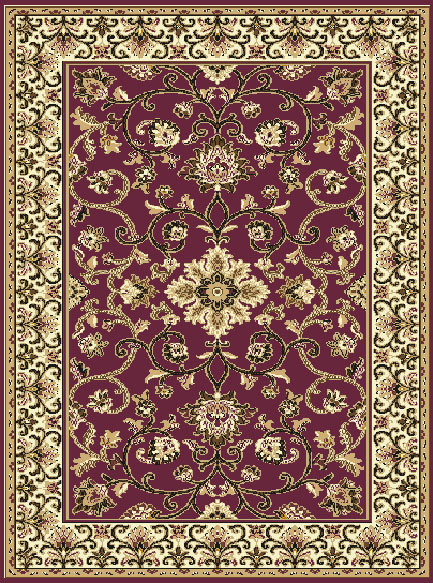
Traditional Persian Rugs
Vintage Persian Medallion Rug – Burgundy
Polypropylene · 2x4, 4x6, 5x8…
From $169
Shop Now
The most common — and most expensive — rug mistake is buying the wrong size. Too small, and the whole room feels disconnected. Too large, and it crowds the furniture. This guide gives you the exact measurements for every room in your home.
Before you buy any rug, get a measuring tape and mark out the footprint on your floor with painter's tape. Seriously — do it. It sounds tedious but it takes 5 minutes and saves you from returning a 50-pound rolled rug because it's 8 inches too big.
Here's the rule: leave 18–24 inches of bare floor between the rug edge and the wall in most rooms. This frames the rug, makes the room feel intentional, and prevents the "magic carpet" look where a rug floats in the middle of a sea of flooring.
The living room is where most people overthink the rug. Keep it simple with these three approaches:
All four legs of every sofa and chair sit on the rug. This anchors the whole seating group and makes the room feel cohesive. Recommended size: 9×12 or 8×10.
Only the front two legs of each sofa and chair sit on the rug. The rug visually connects the seating group without requiring a room-sized rug. Recommended size: 8×10 or 5×8.
The rug lives under the coffee table only, as a color/texture accent. Works in small spaces or rentals where you want minimal commitment. Recommended size: 4×6 or 5×8.
This one has a formula: measure your dining table, then add 24 inches on every side. That way chairs pull out without legs catching on the rug edge. For a standard 6-person rectangular table (36"×72"), you need at minimum a 5×8 — but an 8×10 or 8×11 gives you much more breathing room.
| Table Size | Minimum Rug | Ideal Rug |
|---|---|---|
| Small (2–4 people, 36"×48") | 5×8 | 6×9 |
| Standard (4–6 people, 36"×72") | 8×10 | 8×11 |
| Large (6–8 people, 42"×84") | 8×11 | 9×12 |
| Round table (48"–60") | 6ft Round | 8ft Round |
The goal in a bedroom is to have something soft underfoot when you get out of bed. Three placements work well:
Entryways and hallways call for runners. Standard runners are 2×8 or 2.5×8. For a wider hallway, go up to 3×10. Leave 3–4 inches of floor on either side of the runner for a clean, intentional look. Don't use a square or rectangular area rug in a hallway — it will look like an afterthought.
Fill out our free design consultation form and describe your room. We'll recommend the exact rug size and style for your space.
Get Free Help →Our bestselling 5×8 and 8×11 rugs — the most requested sizes for US living rooms.
Traditional Persian Rugs
Polypropylene · 2x4, 4x6, 5x8…
Traditional Persian Rugs
Polypropylene · 2x4, 4x6, 5x8…
Traditional Persian Rugs
Polypropylene · 2x4, 4x6, 5x8…
Traditional Persian Rugs
Polypropylene · 5x8, 8x11, 2x8 Runner
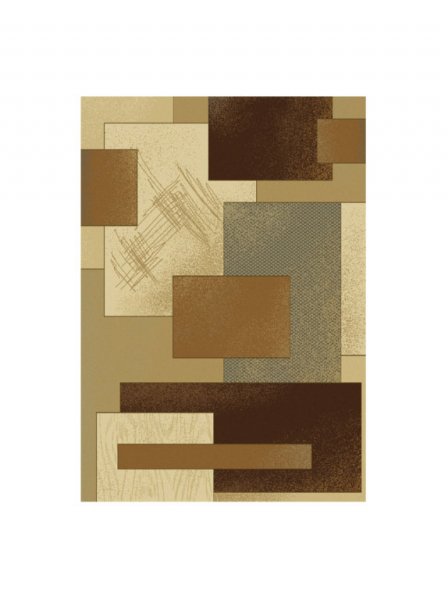
Modern Rugs
Polypropylene · 5x8, 8x11, 2x8 Runner
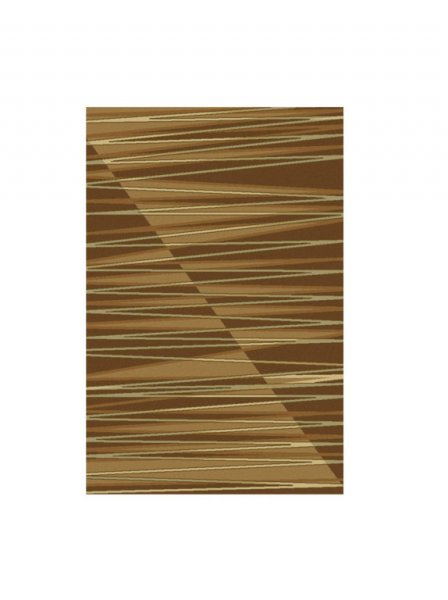
Modern Rugs
Polypropylene · 5x8, 8x11, 2x8 Runner
Tell us about your room and we'll match you with the perfect rug. No pressure, no spam — just honest advice from people who love rugs.
✓ Thanks! We'll be in touch within 1 business day.