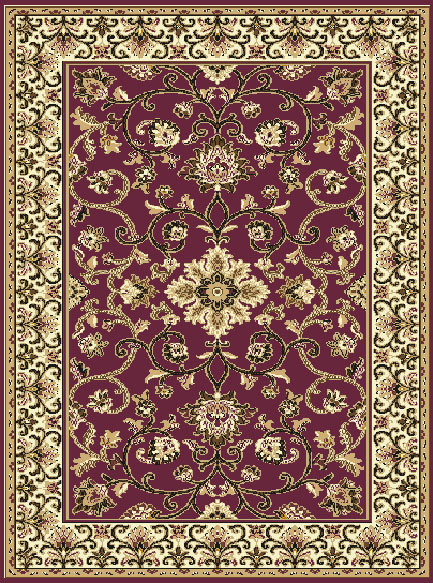
Traditional Persian Rugs
Vintage Persian Medallion Rug – Burgundy
Polypropylene · 2x4, 4x6, 5x8…
From $169
Shop Now
Size. Material. Pile height. Pattern. Color. There are a lot of variables in rug buying — but once you understand the basics, it becomes surprisingly simple. This guide covers it all.
Size is the most important decision you'll make. A wrong-sized rug makes everything else irrelevant. The general rule: leave 18–24 inches of floor showing between the rug edge and the wall. See our complete rug size guide for room-by-room recommendations with exact measurements.
Material determines how the rug looks, feels, and lasts. Here's a quick breakdown:
| Material | Durability | Stain Resistance | Feel | Price |
|---|---|---|---|---|
| Polypropylene | Excellent | Excellent | Soft to medium | $ |
| Wool | Good | Poor | Very soft | $$$ |
| Cotton | Fair | Poor | Soft, flat | $$ |
| Jute / Sisal | Good | Poor | Rough | $$ |
| Viscose / Silk | Poor | Poor | Very soft | $$$ |
For most homes — especially those with kids, pets, or high traffic — polypropylene is the clear winner. It mimics the look of wool at a fraction of the cost and holds up to real life. Our entire catalog uses high-quality polypropylene fiber.
Our hand-carved rugs feature a 12mm pile — the ideal medium that's luxurious underfoot but still easy to maintain.
The pattern should complement your room's busiest element. If your furniture is patterned, choose a solid or subtle rug. If your furniture is solid, a patterned rug adds visual interest without competing.
The color rule is simple: pull from colors already in your room. Look at your wall color, sofa, drapes, and art. Your rug should echo at least one or two of those tones — not match them exactly, but belong to the same family.
A warm burgundy rug in a room with warm wood tones and cream walls will look intentional. That same rug in a cool grey-and-white room will look like an accident.
When in doubt, go warm neutral (beige, ivory, warm brown). Neutral rugs make rooms feel larger, lighter, and easier to redecorate around.
A rug pad extends your rug's life, prevents slipping, adds cushioning, and protects your floor. For hard floors, always use a pad. Get one that's 1–2 inches smaller than your rug on all sides. Our partner store carries rug pads — ask when you order.
If you're still overthinking it, answer these five questions:
Browse rugs by category to find what matches your room.
Traditional Persian Rugs
Polypropylene · 2x4, 4x6, 5x8…
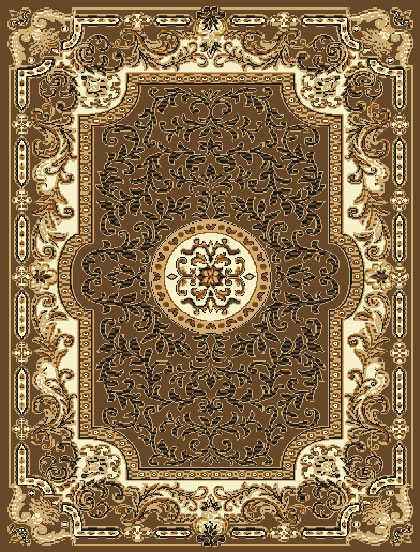
Traditional Persian Rugs
Polypropylene · 2x4, 4x6, 5x8…
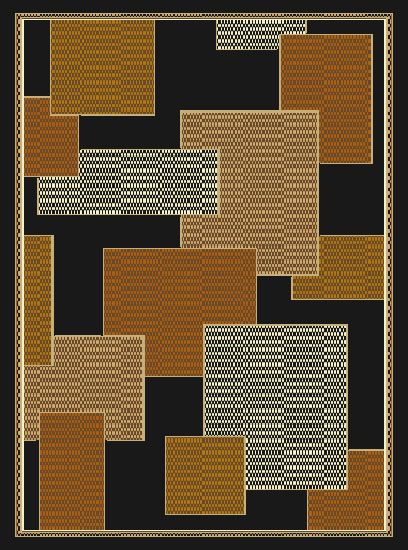
Traditional Persian Rugs
Polypropylene · 2x4, 4x6, 5x8…
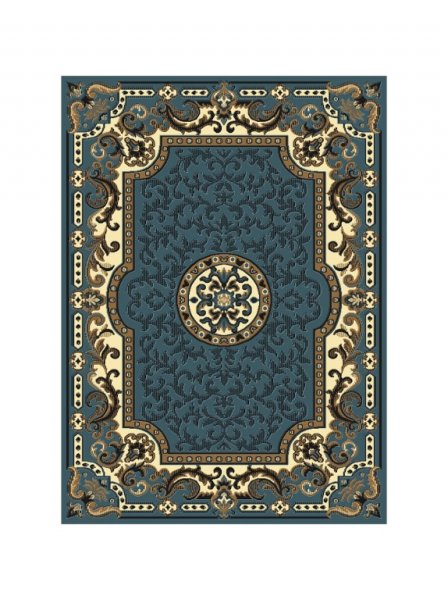
Traditional Persian Rugs
Polypropylene · 5x8, 8x11, 2x8 Runner
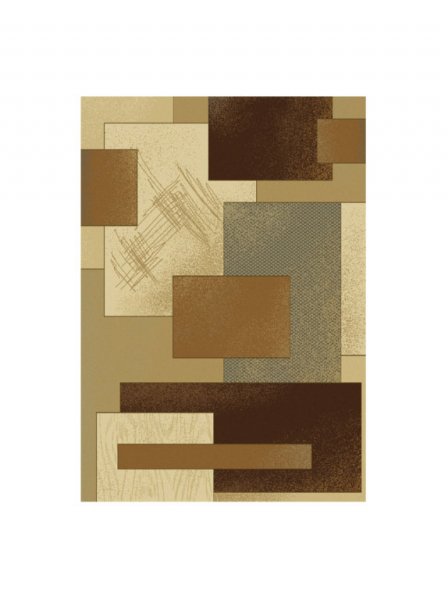
Modern Rugs
Polypropylene · 5x8, 8x11, 2x8 Runner
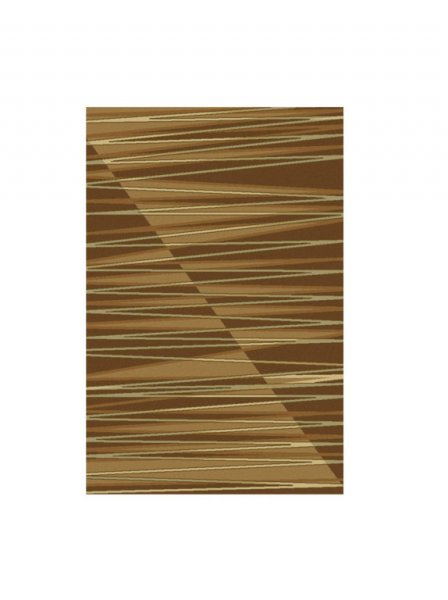
Modern Rugs
Polypropylene · 5x8, 8x11, 2x8 Runner
Tell us about your room and we'll match you with the perfect rug. No pressure, no spam — just honest advice from people who love rugs.
✓ Thanks! We'll be in touch within 1 business day.